Affiliate Disclosure: This post contains affiliate links. If you make a purchase through a link on this site, Simple Steps Press may earn a commission at no additional cost to you. We only recommend products we believe add genuine value to our readers.
Check out Premium Midnight Count Dracula Men’s Vampire Costume →
Classic horror characters have captivated audiences for over a century, and their iconic looks translate beautifully into costume form without requiring elaborate gore or special effects makeup. Characters like Dracula, the Phantom of the Opera, and classic movie monsters rely on silhouette, color palette, and styling to create their unmistakable presence—making them perfect choices for cosplayers and party-goers who want recognizable impact through pure costume craft.
Understanding how to build these looks effectively means focusing on the elements that made these characters memorable in the first place: period-appropriate tailoring, dramatic color contrasts, and attention to characterizing details rather than shock value.
The Foundation: Silhouette and Period Accuracy
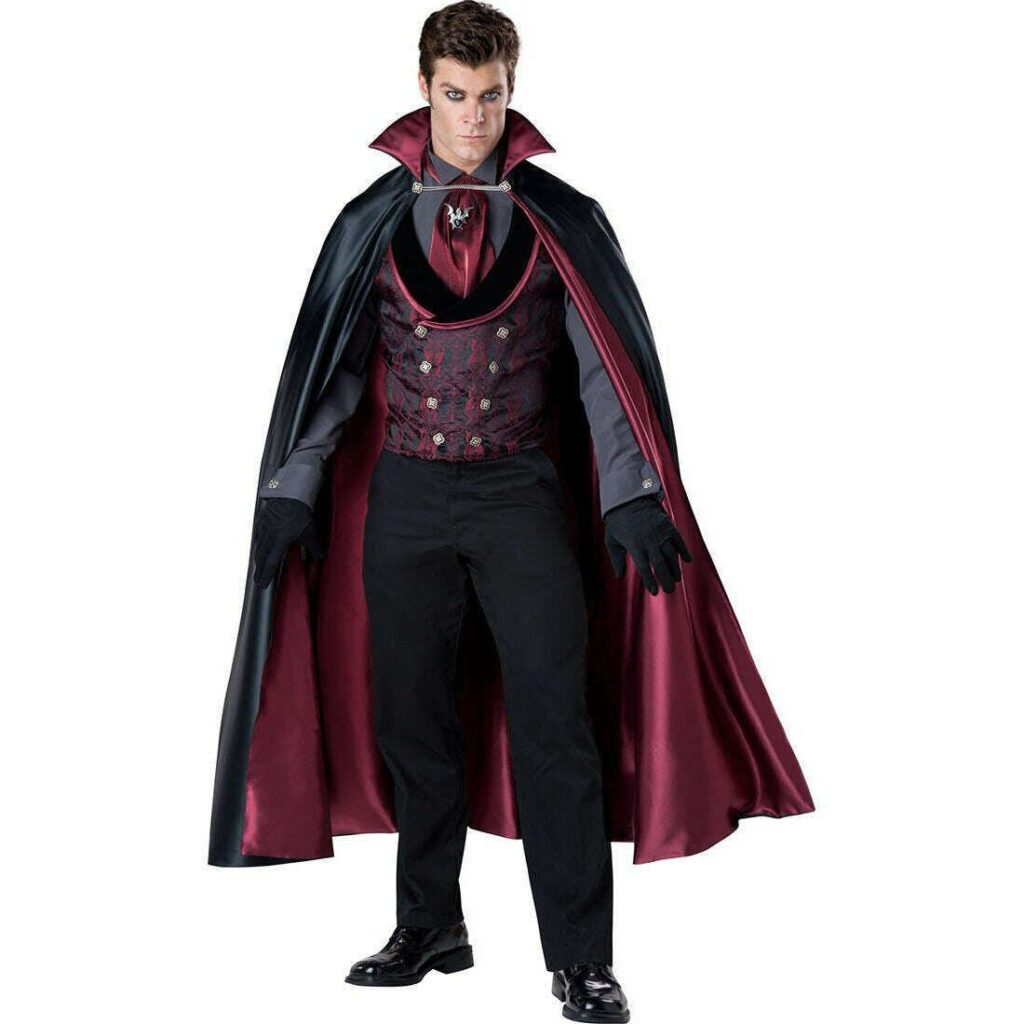
Classic horror characters emerged from specific time periods, and their costumes reflect the fashion silhouettes of those eras. Dracula’s formal evening wear draws from Victorian and Edwardian aristocratic dress codes—high collars, structured tailcoats, and fitted trousers create an imposing vertical line that commands attention in any room. The Premium Midnight Count Dracula Men’s Vampire Costume from Abracadabra NYC demonstrates this principle with its traditional tailcoat construction and period-appropriate details at $175.00 per their listing, showing how investment in proper structure pays off in authentic presence.
When selecting or building a classic horror costume, examine reference materials from the original films or theatrical productions. Notice how the Phantom’s opera cape falls, how Frankenstein’s monster’s jacket sits on the shoulders, or how a classic vampire’s vest creates clean lines beneath the jacket. These silhouettes work because they’re built on established tailoring principles that our eyes recognize as “correct” for formal or period dress.
For cosplayers working on custom builds, consider starting with vintage sewing patterns from the appropriate era rather than modern casual patterns. The difference in dart placement, shoulder construction, and overall fit will immediately elevate your costume from “wearing black clothes” to “embodying a character from another time.”
Color Theory and Contrast in Character Recognition
Classic horror costumes rely heavily on stark color contrasts rather than elaborate effects. The traditional Dracula palette—black, white, and red—creates instant visual impact through contrast alone. This isn’t accidental; these combinations photograph dramatically (important in the black-and-white film era when many of these characters were established) and read clearly across crowded convention halls or party venues.
When assembling your costume, pay particular attention to:
- Fabric sheen and texture variation within your primary color—a matte black tailcoat against a satin black vest creates depth without adding new colors
- The crispness of your white shirt against dark outerwear—yellowed or off-white fabric undermines the dramatic contrast that makes these characters visually striking
- Strategic use of accent colors like deep red or metallic gold in accessories—a burgundy cravat or antique-gold watch chain becomes a focal point that draws the eye and adds period authenticity
- The weight and drape of your fabrics—heavier materials like wool, velvet, or substantial cotton blends maintain the structure and movement that lighter fabrics can’t achieve
Avoid the temptation to add unnecessary embellishments or modern touches. The power of these classic looks lies in their restraint and elegance. A well-chosen brooch or period-appropriate cufflinks will always outperform glitter, plastic gems, or anachronistic accessories.
Hair, Makeup, and Characterization Without Special Effects
The most successful classic horror costumes understand that characterization comes from styling choices rather than prosthetics or gore. For vampire characters, slicked-back hair styled with pomade or gel creates that old-world aristocratic look—this simple grooming choice instantly signals “period character” to viewers. If you’re wearing a wig, invest in one with enough length and density to style properly rather than settling for a thin, obviously synthetic option.
Makeup for classic horror characters should enhance your natural features to suggest otherworldliness without relying on wounds or blood effects. Consider these approaches:
- Strategic contouring to create hollow cheeks and emphasize bone structure, suggesting the gaunt appearance of the undead without prosthetics
- Pale foundation or powder applied smoothly and evenly—the goal is porcelain-doll perfection, not patchy or cakey application
- Darkened under-eyes using cool-toned eyeshadow rather than attempting bruise effects
- Defined eyes with period-appropriate techniques—sharp eyeliner and darkened lashes rather than modern smoky-eye trends
- Lips in deep berry, burgundy, or even just slightly darker than natural to avoid the bright colors that read as contemporary
Check out Premium Midnight Count Dracula Men’s Vampire Costume →
For characters with distinctive facial hair like classic depictions of Count Dracula, quality matters significantly. A well-groomed goatee or mustache that looks natural to your face will always be more effective than an obviously fake beard or mustache that doesn’t blend with your skin tone or natural hair texture.
Accessories That Complete the Character
The finishing details separate a basic costume from a character embodiment. Classic horror characters often carried or wore specific items that became part of their iconic look. For vampire characters, consider a walking stick or cane with an ornate handle—this serves both as a period-appropriate accessory and a practical prop for posing in photos. White gloves, pocket watches on chains, and signet rings all contribute to the aristocratic vampire aesthetic.
Cape construction and wear deserve special attention. A proper cape should have enough weight to drape dramatically without being so heavy it pulls uncomfortably at your shoulders throughout an event. The collar should stand up naturally when you want it to, creating that signature vampire silhouette in photographs. Practice wearing your cape before the event—learn how to move through doorways, how to sit without trapping the fabric, and how to achieve that dramatic swirl when you turn.
Footwear often gets overlooked, but period-appropriate shoes ground your entire costume in authenticity. For Victorian or Edwardian characters, this means polished leather dress shoes—often with a higher shine than modern business shoes. Avoid athletic shoes, casual boots, or anything with visible modern branding. If you need more comfortable footwear for extended wear, look for dress shoes with cushioned insoles rather than compromising the visual accuracy of your costume.
Fit and Comfort for All-Night Wear
Classic formal costumes built around structured jackets and layered pieces can become uncomfortable if sizing isn’t carefully considered. When selecting a costume like Abracadabra NYC’s Premium Midnight Count Dracula option, pay close attention to their sizing charts and measure yourself accurately rather than guessing based on your usual casual wear size. Period-style tailored pieces typically have less stretch and give than modern clothing.
Consider the practical realities of wearing multiple layers. A white dress shirt, vest, tailcoat, and cape create considerable warmth—factor in venue temperature when planning your costume debut. For convention wear spanning multiple days, having backup shirts allows you to maintain that crisp white contrast even after hours of wear.
Break in your costume before the event. Wear it around your home for an hour or two to identify any pinch points, restricted movement, or comfort issues. This test run lets you make adjustments—loosening a vest button, adding moleskin to prevent collar chafing, or identifying if you need a different undershirt to prevent show-through.
Building Recognition Through Character Study
The most successful classic horror costumes come from cosplayers who’ve studied their chosen character’s original appearance and mannerisms. Watch the classic films or stage productions that established these looks. Note how the actors moved in their costumes—the deliberate grace of Bela Lugosi’s Dracula, for instance, or the stiff formality of early Frankenstein’s monster portrayals. These movement patterns become part of your characterization.
Photography reference is equally valuable. Classic horror movie stills show you how these costumes photograph under various lighting conditions, which poses emphasize the costume’s best features, and which angles capture the character’s essence. Bring reference images to your costume fittings or building sessions to ensure you’re capturing the details that matter most to recognition.
Remember that classic horror characters achieve their impact through atmosphere and presence rather than shock tactics. Your costume’s success comes from nailing the period details, maintaining the character’s signature color palette, and embodying the elegant menace that made these characters endure for decades. With careful attention to tailoring, styling, and characterization, you’ll create a memorable appearance that honors the classic horror tradition.
Check out Premium Midnight Count Dracula Men’s Vampire Costume →