Affiliate Disclosure: This post contains affiliate links. If you make a purchase through a link on this site, Simple Steps Press may earn a commission at no additional cost to you. We only recommend products we believe add genuine value to our readers.
Check out Terrifier Art the Clown 12″ Action Figure →
Whether you’re a dedicated horror fan, a cosplay enthusiast, or simply someone who loves bringing iconic characters into your space, deciding between collectibles and costumes can shape how you express your fandom at home. Both serve distinct purposes in themed displays, and understanding their differences helps you build collections that match your space, budget, and creative goals.
Understanding the Core Differences
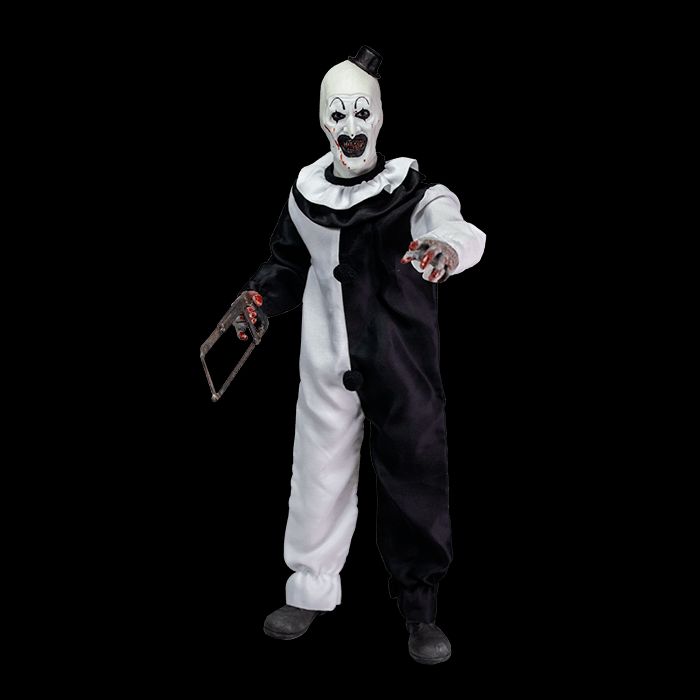
Collectibles like action figures are designed specifically for display and preservation. The Terrifier Art the Clown 12″ Action Figure, for example, functions as a detailed representation of a horror character meant to sit on a shelf, desk, or in a display case—not to be worn or used in active play. According to Abracadabra NYC’s listing, this particular figure retails at $142.95, reflecting the craftsmanship and limited-production nature typical of premium horror collectibles.
Costumes serve an entirely different function. They’re meant to be worn, whether for conventions, Halloween parties, theatrical performances, or cosplay photoshoots. While both collectibles and costumes can represent the same characters, costumes invite participation and transformation, whereas collectibles preserve a moment or design in three-dimensional form.
Your choice between the two often depends on how you engage with your favorite characters. If you prefer showcasing characters in your personal space year-round without storage concerns between events, collectibles offer permanent visual impact. If you enjoy embodying characters and participating in costume events, building a wearable wardrobe makes more sense. Many serious fans maintain both—collectibles for daily inspiration and costumes for active participation.
Space Considerations for Display Collectibles
Building a collectible display requires thinking carefully about your available space and how you’ll protect your investment. Action figures and similar collectibles benefit from dedicated display areas that keep them visible while protecting them from dust, direct sunlight, and accidental damage.
- Shelf placement: Consider eye-level shelving for maximum visual impact. A 12-inch figure needs approximately 14-16 inches of vertical clearance when you account for the base and any extended poses or accessories.
- Lighting choices: LED strip lighting or small spotlights can highlight key pieces without generating the heat that might damage paint applications or materials over time. Avoid direct sunlight, which can fade colors and degrade certain plastics.
- Display cases: Glass-front cases protect collectibles from dust accumulation and curious pets or children while keeping them fully visible. This is particularly important for detailed figures with intricate paint work or delicate accessories.
- Grouping strategies: Theme your displays by character universe, color scheme, or aesthetic style. Horror collectibles often look striking when grouped together, creating a curated gallery wall or shelf dedicated to the genre.
Unlike costumes that fold away into storage between uses, collectibles claim permanent real estate in your home. Before expanding your collection, honestly assess how much display space you can dedicate without creating visual clutter or sacrificing functional living areas.
Storage and Maintenance: Collectibles Versus Costumes
The care requirements for collectibles and costumes differ dramatically, influencing which makes sense for your lifestyle and available storage.
Check out Terrifier Art the Clown 12″ Action Figure →
Collectibles demand minimal ongoing maintenance once properly displayed. Periodic dusting with a soft brush or compressed air keeps them looking fresh. If you keep original packaging, storing boxes in a climate-controlled space preserves future resale value, though this requires significant additional storage room. The key concerns are avoiding temperature extremes, humidity, and UV exposure that can degrade materials over years.
Costumes require active care between uses. Fabric pieces need proper cleaning according to material type—some items are hand-wash only, others can handle machine washing on gentle cycles, and some require professional dry cleaning. After each wear, costumes should be aired out before storage to prevent moisture buildup and odor retention. Hanging storage works best for most costumes to prevent creasing, though this requires closet space or garment racks. Accessories like masks, props, and armor pieces need separate storage solutions, often requiring bins or shelving similar to collectibles.
Consider seasonal storage challenges too. If you only wear costumes during convention season or around Halloween, you’ll need eight to eleven months of storage space where costumes won’t develop mildew, attract pests, or get crushed under other items. Climate-controlled spaces are ideal for both collectibles and costume storage, but costumes typically have more forgiving requirements since they’re designed to withstand wearing and movement.
Building a Mixed Display Strategy
Many enthusiasts discover that combining collectibles with costume elements creates the most dynamic home displays. Retired costume pieces can become display items themselves, particularly elaborate masks, detailed armor, or character-specific props that no longer fit or have been replaced with upgraded versions.
Consider mounting a particularly impressive costume mask on the same shelf as related collectible figures, creating a layered display that shows your dedication to a character from multiple angles. Costume accessories like weapons props, jewelry pieces, or character-specific items often transition beautifully to display duty when their active cosplay life ends.
You might also designate different rooms for different purposes. A home office or entertainment room could house collectible displays that inspire creativity or serve as conversation pieces, while costume storage lives in a bedroom closet or dedicated wardrobe area where you can access pieces for events without disrupting your display collectibles.
Budget considerations matter when building mixed collections. High-quality collectibles like detailed action figures represent significant upfront investments but require no recurring costs beyond occasional replacements for damaged pieces. Costumes, especially if you attend multiple events yearly, may need periodic updates, repairs, or complete replacements as your skills improve or body measurements change. Neither approach is inherently more economical—your usage patterns determine the better value.
The most successful themed displays reflect genuine enthusiasm rather than completionist pressure. Whether you choose collectibles, costumes, or a combination of both, focus on pieces that genuinely resonate with you rather than feeling obligated to acquire every item related to a character or franchise. Your space should bring joy and inspiration, not feel like a storage burden or financial strain.
Both collectibles and costumes offer valid ways to celebrate beloved characters and build themed spaces that reflect your interests. Understanding their distinct purposes, care requirements, and display needs helps you make intentional choices that enhance your home rather than overwhelm it.