Affiliate Disclosure: This post contains affiliate links. If you make a purchase through a link on this site, Simple Steps Press may earn a commission at no additional cost to you. We only recommend products we believe add genuine value to our readers.
Check out Giant Eyeball Mask with Secure Elastic Band →
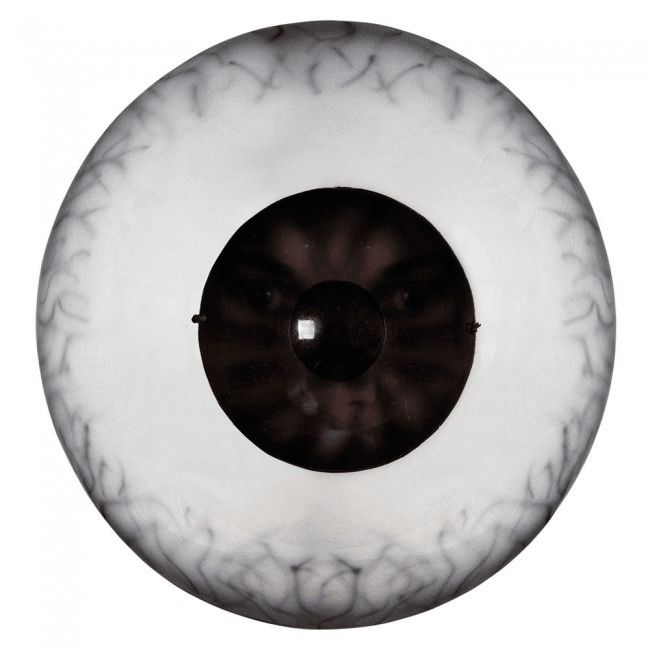
When you’re putting together a Halloween costume on a tight budget, you don’t need to spend a fortune to create something memorable. Often, the difference between a forgettable costume and one that turns heads comes down to a few well-chosen accessories that dramatically change your silhouette or facial features. A single statement piece—like a Giant Eyeball Mask with Secure Elastic Band ($16.95, per Abracadabra NYC)—can transform a basic outfit into a conversation-starter without breaking the bank.
The key is understanding which types of add-ons deliver the most visual punch relative to their cost. This guide will walk you through budget-friendly accessory categories that create maximum impact, plus practical tips for making smart choices when shopping for costume enhancements.
Why Face and Head Accessories Deliver the Biggest Return
Human eyes naturally focus on faces first during social interactions, which is why masks, headpieces, and facial prosthetics create such outsized visual effects compared to their typically modest price tags. A twenty-dollar mask can completely obscure your identity and establish a character instantly, whereas spending the same amount on a costume shirt might barely register in someone’s memory.
Oversized eye accessories work particularly well because they disrupt normal facial proportions in an immediately noticeable way. The Giant Eyeball Mask mentioned above creates an unnaturally large focal point where people expect to see regular human features, making it effective for surreal, horror-inspired, or comedic costume concepts. According to Abracadabra NYC’s listing, this particular mask features a secure elastic band, which is worth noting—poorly secured masks that constantly slip require readjustment throughout the night and break the illusion you’re trying to create.
When evaluating face and head accessories, prioritize items that can be worn comfortably for extended periods. Check product descriptions for mentions of padding, adjustable straps, or ventilation. A mask that looks impressive in photos but becomes unbearable after twenty minutes will spend most of the night in your bag rather than on your face.
Strategic Pairing: Building Around Your Statement Piece
Once you’ve selected your high-impact accessory, build the rest of your costume to complement rather than compete with it. If you’re wearing a dramatic eye mask, for instance, your clothing can remain relatively simple—solid colors, basic silhouettes—because the mask already provides the visual interest your costume needs.
This approach actually saves money while improving overall costume cohesion. Instead of buying multiple competing elements, you can:
- Use clothing you already own in your closet (black pants, white shirts, solid-color dresses)
- Add one or two inexpensive supporting accessories that echo your main piece’s theme or color
- Focus your makeup efforts on exposed skin areas rather than investing in expensive face paint that will be covered anyway
- Create DIY elements that support your core accessory without drawing attention away from it
For example, an oversized eyeball mask pairs naturally with mad scientist, experimental subject, alien observer, or surrealist art concepts—all of which can be executed with thrift-store lab coats, black turtlenecks, or deliberately mismatched patterns that you may already own. The mask does the conceptual heavy lifting while your clothing provides context.
Material Considerations for Budget Accessories
Not all budget accessories are created equal when it comes to durability and comfort. Understanding common materials helps you make smarter purchasing decisions, even when working with limited funds.
Foam latex and molded plastic dominate the affordable mask market. Foam latex typically offers better detail and paintwork at lower price points, though it requires more careful storage to prevent cracking. Molded plastic masks tend to be more durable for repeated use but may have less intricate sculpting. Both materials can work well—the choice depends on whether you’re building a one-night costume or something you’ll wear to multiple events.
Check out Giant Eyeball Mask with Secure Elastic Band →
Pay attention to fastening systems in product descriptions. Elastic bands (like those mentioned in the Giant Eyeball Mask listing) remain the most common and reliable option for budget masks, but quality varies significantly. Look for mentions of adjustability or reinforced attachment points. Inexpensive ribbon ties often look acceptable in product photos but can be frustratingly difficult to secure properly in dim lighting while getting ready.
For items you plan to reuse, consider the storage implications of different materials. Rigid plastic pieces can be wiped clean and stacked efficiently, while fabric or foam items may need dedicated space to maintain their shape between uses.
Timing Your Purchase for Maximum Value
Budget-conscious costume builders can stretch their dollars further by understanding seasonal pricing patterns. Costume accessories typically follow predictable pricing cycles throughout the year.
Early October often features full retail pricing as demand peaks. The week immediately before Halloween may see selective discounts on slower-moving items, though popular pieces typically remain full-price. The real bargains appear in early November, when retailers clear seasonal inventory—but obviously this only helps if you’re planning ahead for next year or building a costume collection for conventions and themed parties throughout the year.
For items you want to wear this season, shopping in early-to-mid September often provides the best selection without the October price premium. You’ll have time to test fit and comfort, make returns if necessary, and plan the rest of your costume around your anchor piece.
Photography and Lighting Considerations
If you’re attending events where costume photos are likely—contests, parties with photo booths, or simply friends documenting the evening—consider how your budget accessories will photograph. This isn’t about vanity; it’s about maximizing your costume’s effective impact per dollar spent.
Three-dimensional accessories like masks photograph dramatically better than flat costume elements. They create shadows and depth that read clearly even in poor lighting conditions typical of Halloween events. A boldly colored or unusually shaped mask will stand out in group photos where subtle costume details disappear entirely.
Reflective or glossy finishes can create interesting effects but may also produce unwanted glare in flash photography. Matte finishes are more forgiving across different lighting conditions. If you’re choosing between similar items at the same price point, consider which finish will work better in the specific environments where you’ll be wearing the costume.
Making Budget Accessories Last Beyond Halloween
Smart storage extends the value of even inexpensive costume pieces. After Halloween night, take ten minutes to clean your accessories properly before storage. For masks, wipe the interior with a slightly damp cloth to remove oils and sweat, then let them air dry completely before storing. This prevents odors and material degradation that can make items unwearable by next season.
Store masks and dimensional accessories with tissue paper or bubble wrap inside to help them maintain their shape. Avoid folding or crushing them under heavier items. A clear plastic storage bin lets you see what you own when planning future costumes, preventing redundant purchases and inspiring creative reuse of pieces in new character concepts.
Many budget accessories are surprisingly versatile across different costume concepts. An eyeball mask might work for a horror character one year, a surrealist art costume the next, and a science fiction alien the year after that. Thinking about potential reuse when making initial purchases helps justify spending even modest amounts on quality pieces that will serve multiple purposes.