Affiliate Disclosure: This post contains affiliate links. If you make a purchase through a link on this site, Simple Steps Press may earn a commission at no additional cost to you. We only recommend products we believe add genuine value to our readers.
Check out 7 Ft. Animated Prowling Jack Halloween Decoration →
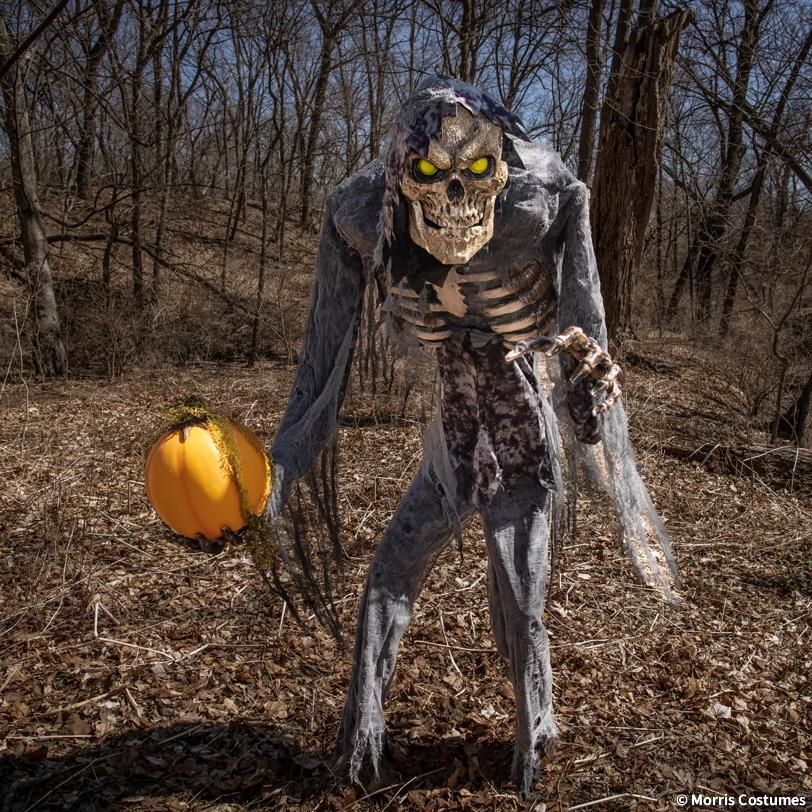
High-end animatronic Halloween decorations have become the centerpiece of neighborhood displays, transforming front yards into immersive haunted experiences. These premium props—like full-scale prowling characters that move, light up, and produce sound—represent a significant investment, often ranging from several hundred to over a thousand dollars. Before you commit to a purchase like the 7 Ft. Animated Prowling Jack Halloween Decoration listed at $729.95, understanding what separates budget inflatables from professional-grade animatronics will help you make an informed decision that delivers years of spooky entertainment.
Size, Storage, and Space Considerations
The first reality check for any large animatronic purchase is physical space—both for display and storage. A seven-foot character occupies considerably more room than photographs suggest. Before ordering, measure your intended display area and consider sightlines from the street. These props are designed to be focal points, so you’ll want at least six to eight feet of clearance around the figure for optimal viewing angles and to prevent visitors from walking directly into moving parts.
Storage presents an equally important challenge. Premium animatronics typically ship in large boxes designed to protect delicate mechanical components during transit. The original packaging, while bulky, offers the best protection for off-season storage. You’ll need climate-controlled space—a garage, basement, or storage unit—that maintains relatively stable temperatures and humidity levels. Attics and outdoor sheds expose electronics and latex components to temperature extremes that accelerate deterioration. Plan for a storage footprint of at least three feet by three feet by seven feet, and remember that you may be moving a sixty-to-eighty-pound package twice a year.
Power Requirements and Weather Protection
Unlike battery-powered decorations, most full-scale animatronics require standard household electrical current. You’ll need access to a grounded outdoor outlet, preferably protected by a GFCI (Ground Fault Circuit Interrupter) for safety. Extension cords should be rated for outdoor use and match the amperage requirements—typically a 12-gauge or heavier cord for runs longer than fifty feet. Running power lines across walkways creates tripping hazards, so plan your electrical routing carefully and use cord covers where cables cross pathways.
Weather resistance varies significantly across animatronic models. While many manufacturers describe their products as “weather-resistant,” this typically means the prop can withstand brief exposure to light rain or morning dew—not sustained downpours or high winds. Check product specifications carefully; some animatronics are rated only for covered porch use, while others incorporate waterproof motor housings and sealed electrical connections suitable for open-yard placement. Even weather-resistant models benefit from protective measures during severe weather. Have a plan to quickly unplug and cover your decoration if forecasts call for heavy rain, and always bring animatronics indoors during high-wind warnings that could topple or damage mechanical components.
Understanding Animation Features and Activation Methods
The term “animated” covers a wide range of motion complexity. Entry-level props might feature a single repeating motion—a turning head or swaying torso. Premium animatronics like those in the $700-plus range typically incorporate multiple motors controlling several body parts simultaneously: prowling or lunging movements, articulated arms, turning heads with jaw motion, and coordinated lighting effects synchronized to audio tracks. These multi-axis animations create dramatically more realistic and unsettling effects but also involve more mechanical parts that require maintenance.
Check out 7 Ft. Animated Prowling Jack Halloween Decoration →
Activation methods determine how visitors interact with your display. Continuous-loop modes run the animation sequence repeatedly, ideal for high-traffic periods. Step-activated modes use pressure pads or infrared motion sensors to trigger the sequence only when someone approaches, conserving power and creating surprise scares. Sensor sensitivity often requires adjustment during setup—too sensitive and your prop activates for passing cars or pets; too restricted and trick-or-treaters walk past without triggering the effect. Better models include sensitivity controls and sensor-range adjustments to fine-tune performance for your specific yard layout.
Audio components deserve special attention. Built-in sound effects and voice tracks add significantly to the experience, but speaker quality varies. Higher-end props typically include multiple speakers positioned within the figure for directional sound that appears to emanate from the character itself. Volume controls should offer genuine range—loud enough to be heard over street noise but adjustable for residential neighborhoods with noise ordinances. Test audio during initial setup while it’s still easy to exchange or return the product if speaker quality doesn’t meet expectations.
Materials, Durability, and Maintenance Expectations
Construction quality directly impacts longevity. Premium animatronics typically feature metal armatures or reinforced plastic frames rather than lightweight wire skeletons. Exterior finishes may include latex skin, foam latex, or fabric costuming over rigid components. Latex offers the most realistic appearance with fine detail and paintwork, but requires more careful handling and storage—it can tear, dry out, or become sticky if exposed to extreme temperatures or stored improperly. Fabric-covered props sacrifice some visual detail but prove more forgiving during setup and storage.
Annual maintenance extends the life of your investment. Before each season, inspect all moving parts for smooth operation and unusual sounds that might indicate worn gears or dry bearings. Check electrical connections for corrosion, particularly if the prop was stored in humid conditions. Examine latex or fabric surfaces for tears, loose seams, or paint wear. Small repairs—reattaching a loose costume element, touching up paint, or tightening a connection—prevent minor issues from becoming major failures mid-season. After Halloween, clean your animatronic according to manufacturer guidelines before storage. Gentle brushing removes leaves and debris, and spot-cleaning addresses any dirt or stains, but avoid harsh chemicals that might damage painted surfaces or degrade latex materials.
Understanding these practical considerations—from space requirements and electrical needs to animation complexity and maintenance expectations—transforms a high-end animatronic purchase from an impulsive seasonal buy into a well-planned addition to your Halloween tradition. The investment in a premium prop like a seven-foot animated character delivers years of memorable scares when you select the right model for your space and commit to proper care and storage.
Check out 7 Ft. Animated Prowling Jack Halloween Decoration →